

13th Edition
GLOBAL SUPPLY CHAIN SUMMIT 2026
Designing Adaptive and Customer-Centric Global Supply Chains
12th JUNE 2026, Friday | 1000 – 1715 HrsThe Lalit, New Delhi
Global supply chains are being redefined by structural shifts rather than temporary disruptions. Geopolitical realignments, trade fragmentation, regionalization strategies, climate events, demand volatility, and rapid technological acceleration have fundamentally altered how global value chains are designed and managed. The supply chain of 2026 is no longer built solely for efficiency—it must be diversified, visible, adaptive, and deeply customer-centric.Organizations across sectors are accelerating supplier diversification strategies, reducing concentration risks, and adopting “China+1”, nearshoring, and friendshoring models. At the same time, customer expectations have evolved dramatically. Faster fulfilment, real-time visibility, personalized service levels, transparency, and sustainable sourcing are now baseline requirements rather than competitive differentiators. End-to-end visibility across multi-tier supplier networks, dynamic scenario planning, and advanced planning systems (APS) are becoming central to decision-making. Companies are investing in integrated control towers, digital twins, collaborative platforms, and ecosystem partnerships to strengthen responsiveness and service reliability. In parallel, customer experience is emerging as a defining metric of supply chain success. Supply chains must now align production, logistics, and service strategies with differentiated customer segments—balancing cost efficiency with customization and agility. The Global Supply Chain Summit 2026 will bring together leaders from manufacturing, logistics, trade, technology, and policy domains to explore how global supply chains can be redesigned to thrive in an era defined by diversification, visibility, collaboration, and customer engagement. Global supply chains are entering a new era - one defined not merely by resilience, but by adaptability, intelligence, and customer centricity. Organizations that successfully combine diversification, visibility, advanced planning, and collaborative ecosystems will shape the next generation of global competitiveness. The Global Supply Chain Summit 2026 will serve as a strategic platform to explore practical pathways for designing supply chains that are diversified, visible, responsive, and aligned with evolving customer expectations in a rapidly changing global environment.
The summit will focus on three strategic themes

Diversified and resilient global networks
Visibility and advanced planning for intelligent orchestration
Customer-centric and collaborative supply chain ecosystems
SESSION 1

SESSION I: BUILDING DIVERSIFIED AND RESILIENT GLOBAL VALUE CHAINS
Global supply networks are increasingly exposed to geopolitical tensions, tariff shifts, supply concentration risks, climate disruptions, and regulatory complexity. Diversification is no longer optional—it is a structural imperative.This session will examine how organizations are redesigning sourcing strategies, production footprints, and distribution networks to enhance resilience while maintaining competitiveness.
- How are companies operationalizing China+1, nearshoring, and friendshoring strategies?
- What criteria should guide supplier diversification across regions?
- How can risk analytics and scenario modelling support network redesign?
- What trade-offs arise between cost efficiency and resilience?
- How can stronger supplier relationships and ecosystem partnerships enhance reliability?
SESSION 2

END-TO-END VISIBILITY ANDADVANCED PLANNING SYSTEMS
Visibility across the extended supply chain is foundational to agility and performance. However, visibility alone is insufficient without the ability to plan dynamically and act decisively.This session will explore how advanced planning systems (APS), control towers, digital twins, and integrated data platforms are enabling proactive orchestration of global supply chains.
- How can companies move from fragmented data to unified end-to-end visibility?
- What role do advanced planning systems play in demand sensing and scenario planning?
- How can predictive analytics improve supply-demand balancing and inventory optimization?
- What governance structures are required for faster cross-functional decision-making?
- How can collaborative platforms enhance coordination across suppliers, logistics providers, and customers?
SESSION 3

CUSTOMER-CENTRIC SUPPLY CHAINS – CUSTOMIZATION, EXPERIENCE AND ENGAGEMENT
The modern supply chain must not only deliver products efficiently—it must deliver differentiated customer experiences. Customers increasingly demand shorter lead times, transparent tracking, customized configurations, and seamless engagement.This session will examine how supply chains can evolve from cost-focused back-end functions to front-end value creators aligned with customer strategy.
- How can supply chains enable mass customization without inflating costs?
- What role does segmentation play in differentiated service models?
- How can real-time visibility enhance customer engagement and trust?
- How can companies integrate sales, operations, and logistics planning to improve service reliability?
- How can strengthened partnerships across the value chain create shared value and improved customer outcomes?
Speakers
INAUGURAL SESSION

Mr. Nitin Vyas
Member – CII Institute of Logistics advisory council and Chief Executive Officer – Cluster AsiaBeumer Group

Mr. Samarth Malhotra
PartnerMcKinsey & Company
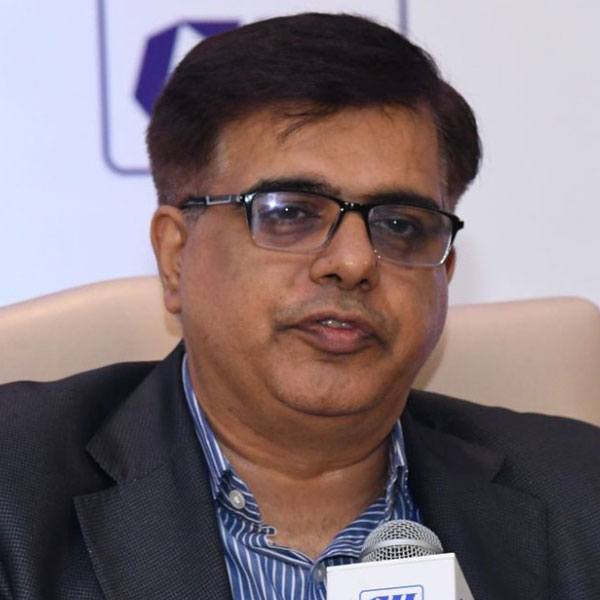
Mr. Neeraj Sachdev
President and Chief Procurement OfficerUno Minda Group
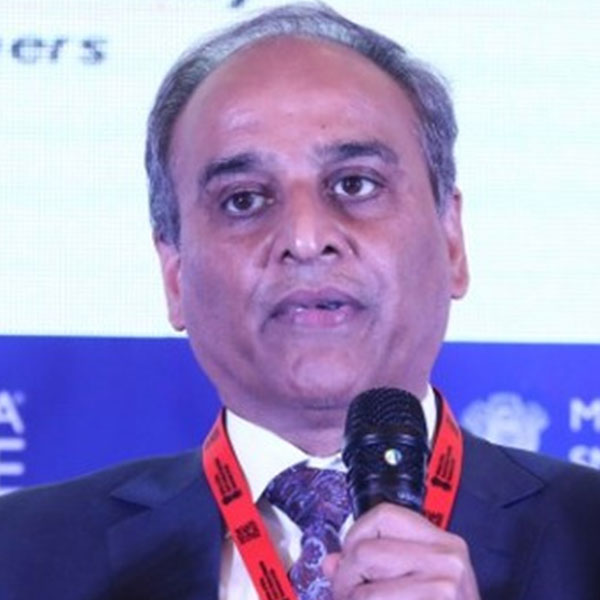
Mr. Manish Mohan Govil
Principal CommissionerDirectorate of Logistics, GoI

Mr. Dibyanshu Tripathi
Member – CII Institute of Logistics advisory council and Co-Founder & Chief Executive OfficerHexalog
SESSION IBUILDING DIVERSIFIED AND RESILIENT GLOBAL VALUE CHAINS
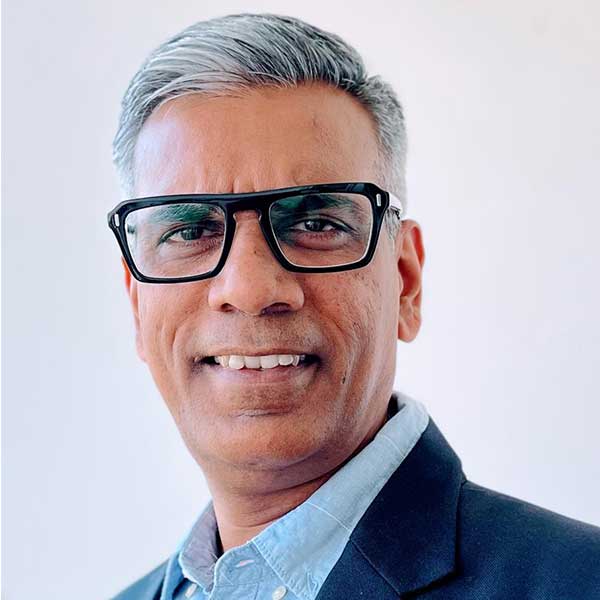
Mr. Sankalp Bhardwaj
Chief Operating Officer (COO)- North & EastTVS Supply Chain Solutions
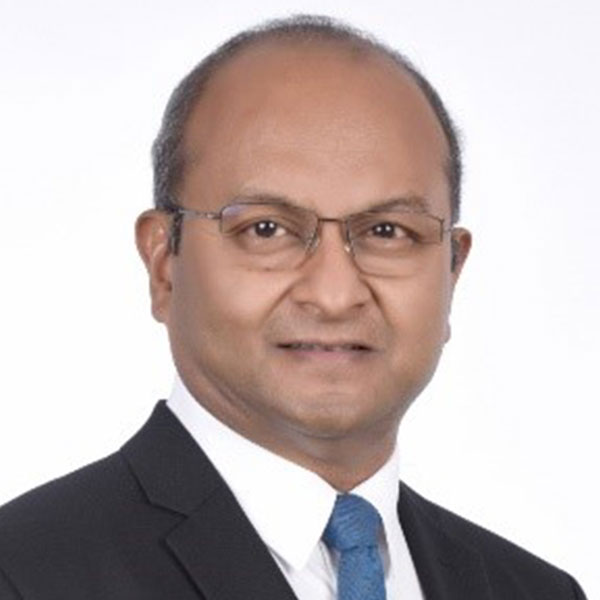
Mr. Nilajan Das
Senior Vice President and Head - Supply Chain Management & Component ExportsTata Hitachi Construction Machinery Pvt. Ltd
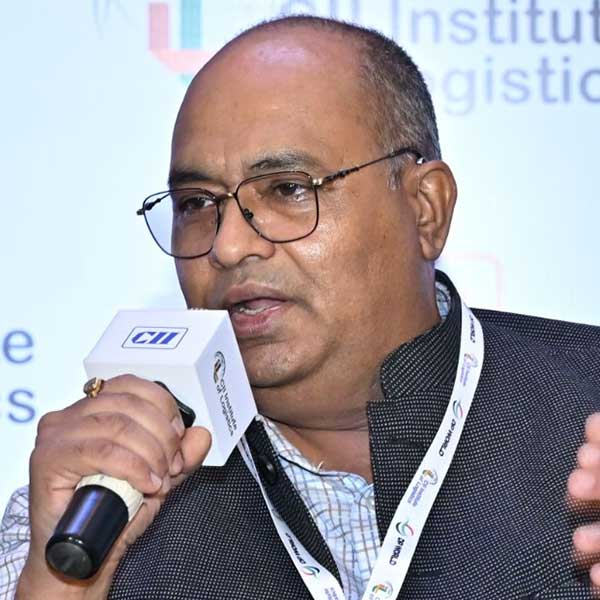
Mr. Bhartendu Narera
Head -Logistics OperationsSamsonite India Pvt Ltd
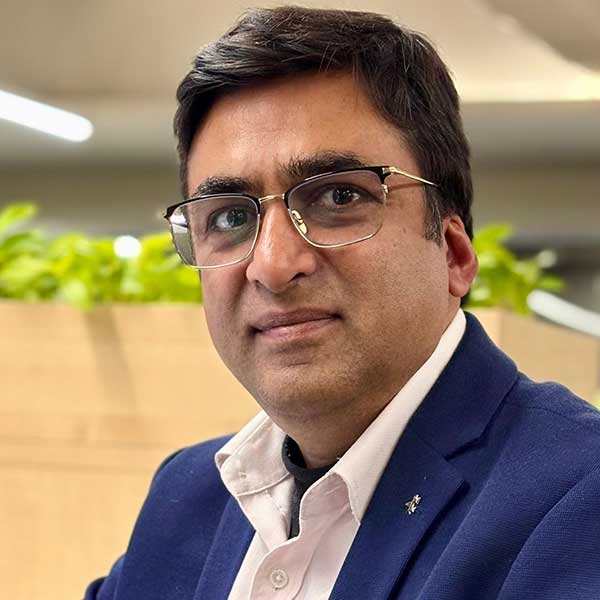
Mr. Ashish Gupta
Country Head - Logistic & CustomsHP
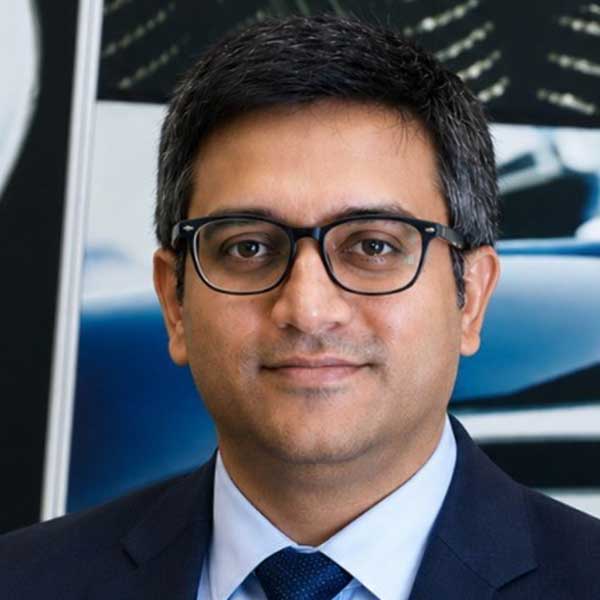
Mr. Tarun Singh
Director - HD India Pvt Ltd & Group ManagerHarley-Davidson Motor Company
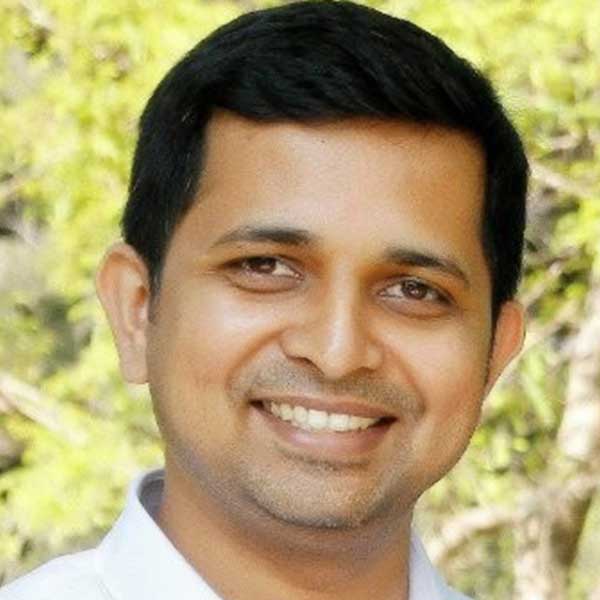
Mr. Sumanth Viraktamath
Partner - Supply Chain & OperationsEY-Parthenon India
SESSION IIEND-TO-END VISIBILITY AND ADVANCED PLANNING SYSTEMS
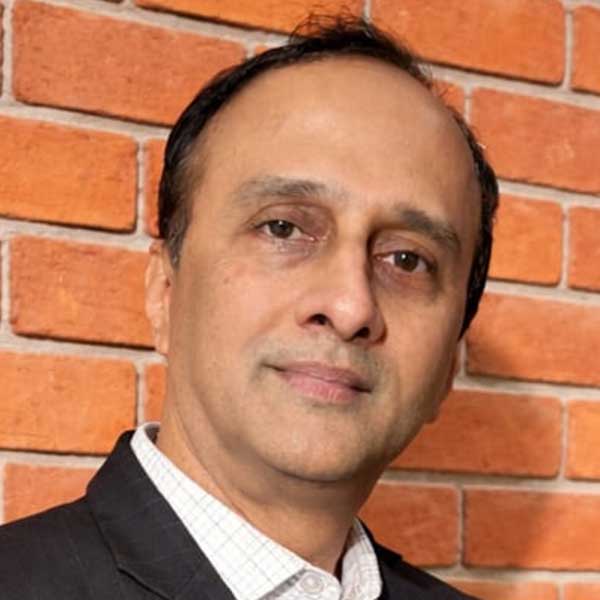
Mr. Sriram Ramnarayan
Chief Business OfficeFreight Tiger

Mr. Abdul Qavi Mohammed
Associate Partner – Kuala LumpurMcKinsey & Company Head Corporate StrategySpecial Projects

Ms. Sanyukta Sen
Supply Chain Leader-Indian SubcontinentPhilips
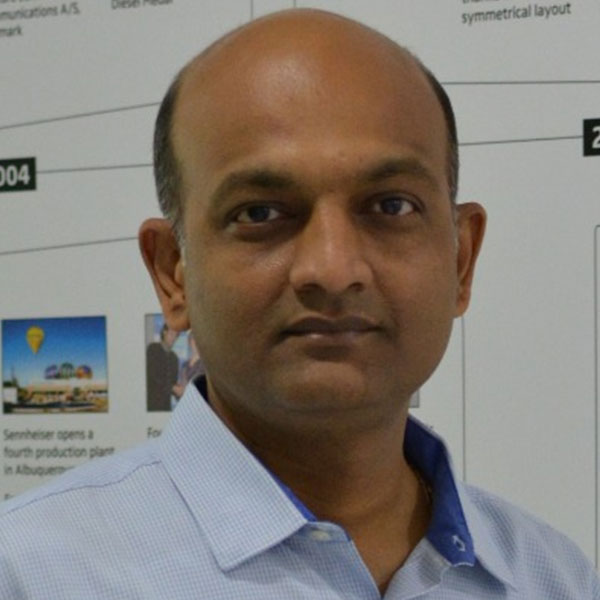
Mr. Karthik Shah
Regional Manager APAC – LogisticsSennheiser

Mr.Rishi Mutreja
Head Supply ChainRelaxo Footwears Limited
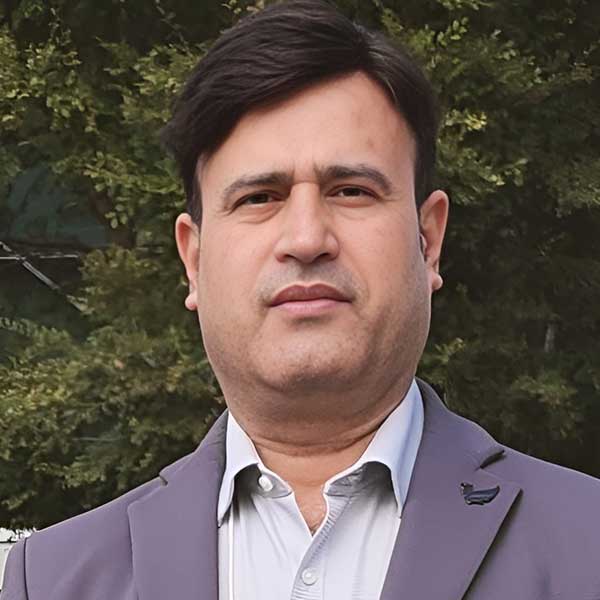
Mr.Gan Nayak Jha
Assistant Vice PresidentTCI Supply Chain Solutions
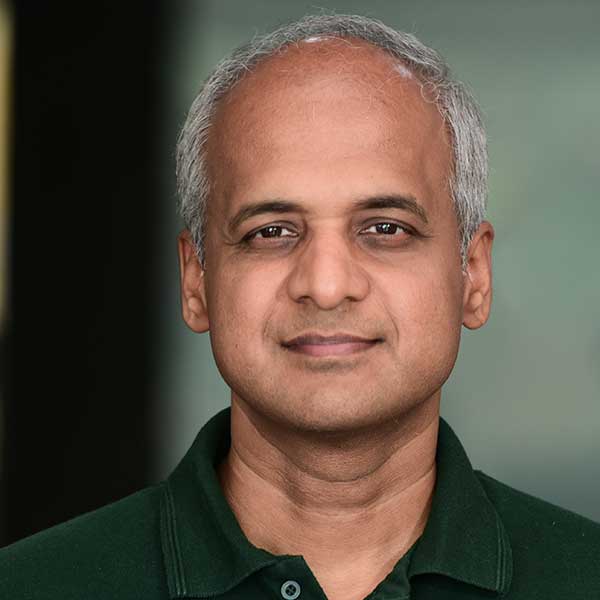
Mr. Ranganath Seetharamu
Co-founder & Chief Operating OfficerMojro
SESSION IIICUSTOMER-CENTRIC SUPPLY CHAINS – CUSTOMIZATION, EXPERIENCE AND ENGAGEMENT
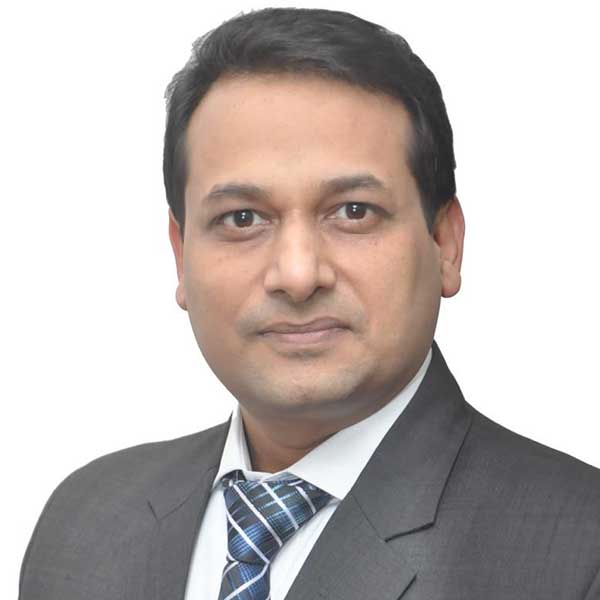
Mr. Saurabh Deep Singla
Chief People OfficerHexalog
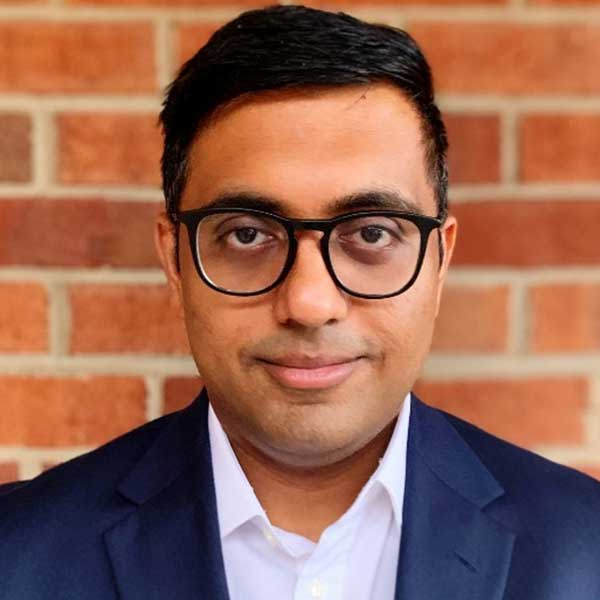
Mr. Arkar Sarkar
Expert - TokyoMcKinsey & Company
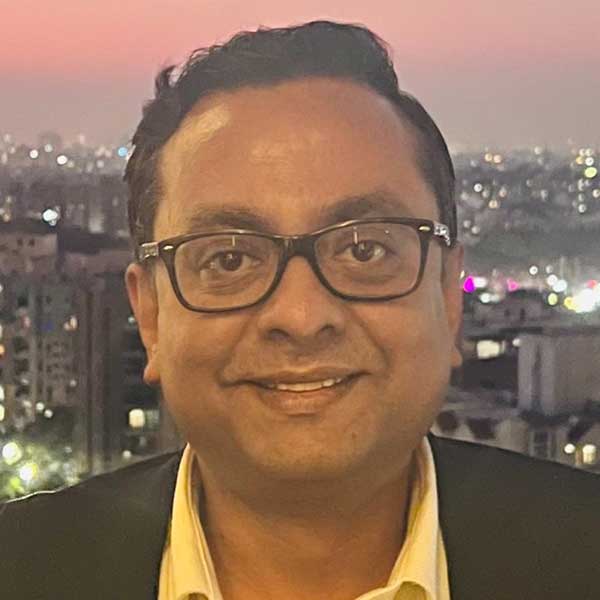
Mr.Rudrajit Ghosh
Senior Vice President and Head of Supply ChainHavells India Ltd

Mr. Shonik Goyal
President & Head Supply Chain ManagementSleep well
Mr. Shonik Goyal
President & Head Supply Chain ManagementSleep well

Mr. Amit Rai
Head Warehousing and TransportationAmway
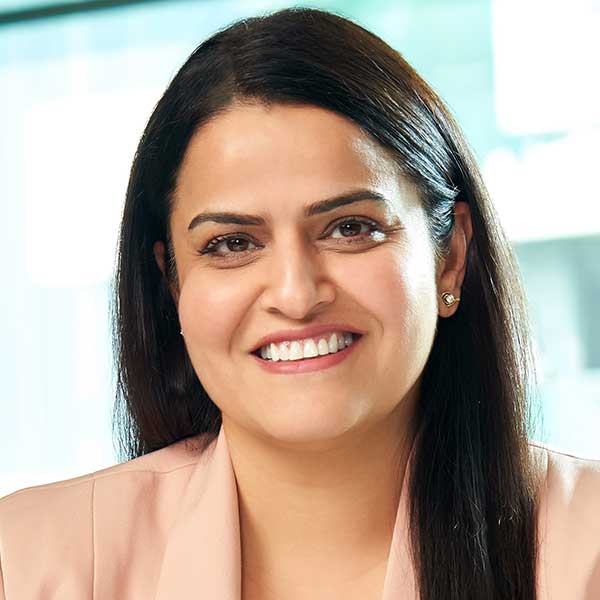
Ms. Pooja Malik
Chief Leasing OfficerHorizon Industrial Parks
ARCHIVES
YEAR 2025
CLICK HEREYEAR 2024
CLICK HEREContact
Register
+91-98791 60202 +91-72003 79132 sreeramkumar.j@cii.in conference.cii@cii.in
Register Online

Sponsor Enquiry
+91-72003 79132 +91-98791 60202 sreeramkumar.j@cii.in smitha.nair@cii.in